
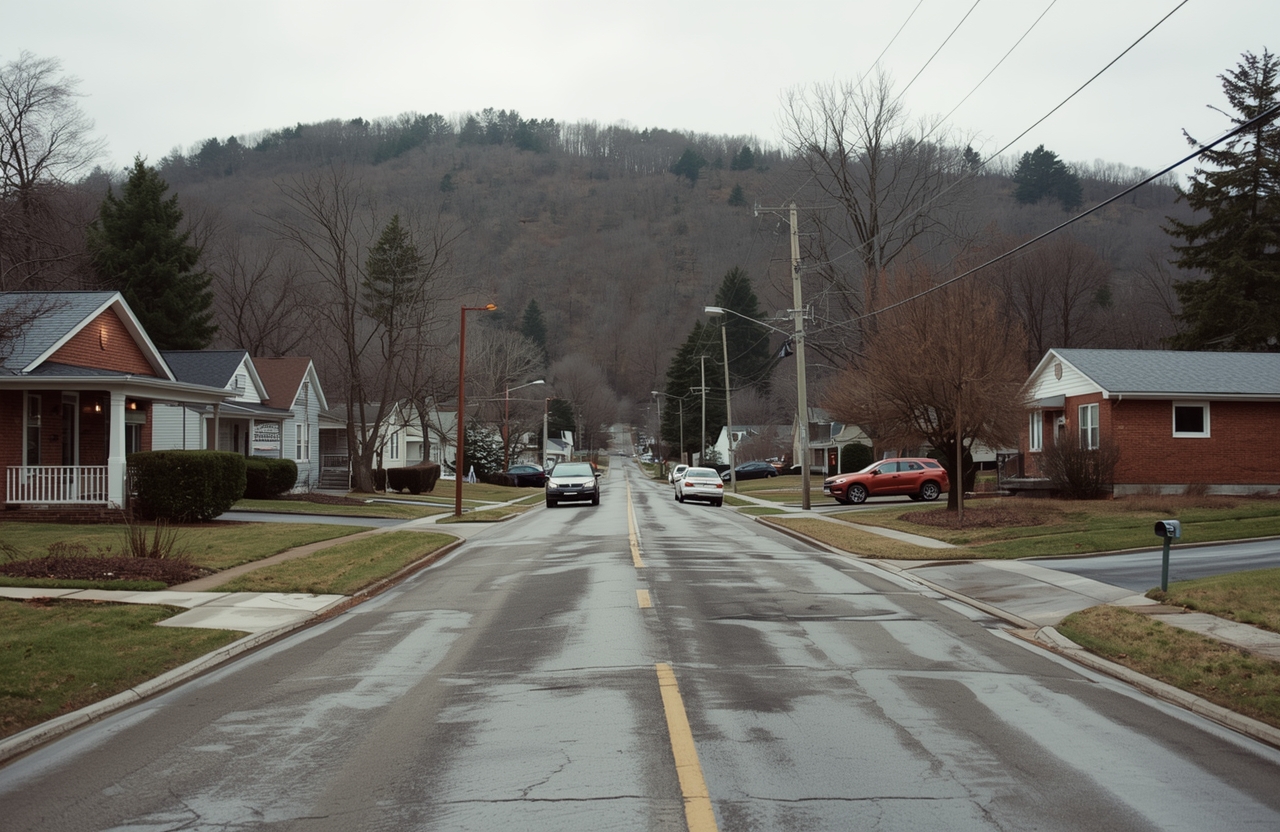
Much of Penn Hills filled in during the 1950s and 1960s, as families moved out from the city onto the hills east of Pittsburgh. The result is a large number of brick and frame ranches, Cape Cods and split-levels built in the same decades, many on steep lots with a basement at the back and a garage at the front. A house built in 1958 is now in its late sixties, and the parts that came with it are wearing out together. That timing is what drives most mold calls here.
Age-related problems to look for
Original roofs and flashing. A roof from the 1960s has usually been replaced at least once, but the flashing, the vent boots and the chimney details often have not been, and small leaks run for a long time before a stain shows on a ceiling. Check the attic after heavy rain or snowmelt. The attic mold removal page explains how to tell a leak from condensation.
Clay and cast-iron drains. Sewer laterals from this era may be clay tile or cast iron, and roots find the joints. A sluggish drain, a gurgle or an odor in a basement floor drain is a warning. A sewage backup is contaminated water and a more serious job than a clean leak, which the water damage restoration page explains.
Water heaters and supply lines. The tank, the shutoff valves and the washer hoses are original or replaced once in many houses. A tank at the end of its life can leak slowly into a finished basement for weeks.
Block basements. Concrete block walls are porous and can seep at the mortar joints and at the cove joint where the floor meets the wall. When a house sits on a steep lot, groundwater and runoff are pressing on the uphill wall.
Original windows and exterior walls. Old window frames that sweat in winter and wood trim that stays damp can feed mold in the walls below them.
Steep lots and drainage
In a hilly suburb, a few fixes handle a lot of water. Gutters should be clean and sized for the roof, and downspouts should discharge several feet from the wall or into a buried pipe that drains downhill. The ground next to the wall should slope away, and any paved surface uphill should not funnel water toward the foundation. If a swale or an old drainage ditch crossed the lot, make sure it still works. Heavy storms can overwhelm small drainage channels on hillside streets, and neighbors' runoff does not always stay on neighbors' lots. If your lot receives water from above, a drainage plan that deals with the uphill side is more useful than treating the basement wall from inside.
Basements that were finished long ago
Many Penn Hills basements were finished decades ago with wood paneling, carpet and a bar or a laundry room. These finishes are often still there, and they sit on top of the same moisture that was always present. A basement that smells musty with no visible stain probably has damp behind the paneling. A specialist can check with a meter and a small opening and tell you whether the wall can be cleaned and dried or needs to come out. See basement mold removal for the causes and the steps.
Rental properties
Penn Hills has a large share of rental housing, including single-family homes rented out and apartment complexes. Tenants who see mold should photograph it with dates, report it to the landlord in writing and keep a copy. Landlords who receive a report should find the water source, because cleaning mold without repairing the leak is a repeat expense. A landlord who rents a house with a recurring moisture problem and no fix risks more costly damage and unhappy tenants. The page on mold inspection and testing explains how a written report helps both sides.
What to ask before you hire
- What is the moisture source, and who is fixing it?
- What exactly comes out, in square feet, and how will the area be sealed?
- Does the quote include a clearance check, and by whom?
- What are the credentials of the crew, and what is the company's Pennsylvania home improvement registration number for residential work over $500?
- Has anyone checked older pipe wrap, floor tile and plaster for asbestos, and old paint for lead, before demolition?
Pennsylvania has no state mold license, so the answers to these questions are what tell good companies from poor ones. For the removal steps, see mold removal.
When it follows a storm
Heavy rain and snowmelt find weaknesses fast. If water came in through the basement, begin drying within a day or two, remove soaked carpet and cardboard, and look at the guide on mold after a basement flood. Document what you throw away in case an insurance claim is possible.
Nearby
Monroeville has a similar mix of postwar housing on gentler ground, and Ross Township is the comparable suburb on the north side.