
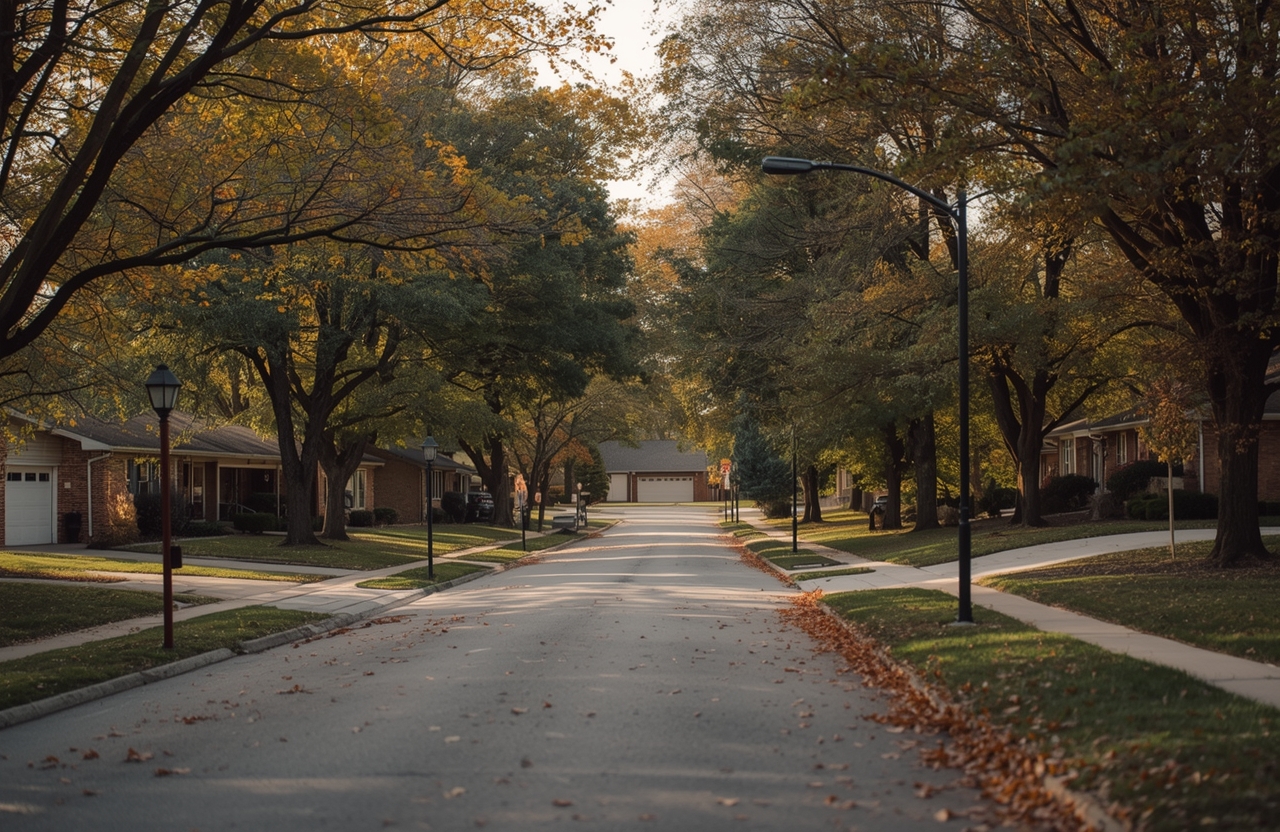
East of Pittsburgh, Monroeville grew quickly after World War II. Most of its single-family housing dates from the 1950s through the 1970s, laid out along curving streets off the main roads, with the retail and apartment corridors close behind. That variety matters for mold: a split-level on its own lot, a townhouse that shares walls and an older house near a stream valley do not get wet the same way.
A different problem for each kind of home
Single-family split-levels and ranches. The typical issues are lower-level family rooms and basements with block walls, window wells that fill during heavy rain, and finished space with paneling or drywall against the masonry. Ventilation in older bathrooms and kitchens can also be thin. Fans that vent into the attic are common in houses of this age and put steady moisture into the roof space.
Townhomes and condos. In attached housing, water can come from a neighbor: a leaking supply line, a washer hose or a failed water heater next door can wet a shared wall, a ceiling or a floor in the next unit. Responsibility depends on the declaration or bylaws of the association: some repairs are the owner's, some the association's, and they differ between communities. The first step after finding water or mold is to photograph it, notify the association or property manager in writing and read the documents about who handles what.
Slab-on-grade areas and additions. Parts of postwar houses, including garage conversions and additions, sit on slabs or over crawl spaces. Slab areas can feel damp and cold in humid weather and show condensation on the floor and the base of the wall. A musty smell in a converted garage is a common reason to call.
Homes closer to the creek valleys. The land near the lower streams in the area is flatter and wetter than the surrounding hillside streets. Basements in low spots can see groundwater rise after prolonged rain, and the drainage that works on a slope may not work on flat ground.
Where to start looking
- Window wells and stairwells. If a well has no cover, a clogged drain or sits below the level of the surrounding ground, it will leak after rain.
- Gutters and grading. Downspouts that end at the foundation are a very common cause of damp basements.
- Bath and kitchen fans. Follow each duct to the roof or wall. A disconnected or attic-ended duct feeds attic mold, described on the attic mold removal page.
- The water heater and laundry. Look for rust at the base of the tank, damp floor around it and corrosion on washer hoses.
- The lowest wall behind furniture. Pull a couch or a shelf away and look at the paint and baseboard behind it.
When water came from somewhere else
A stain on the ceiling of your unit that grows after the upstairs neighbor runs a shower has a source you do not control. What helps:
- Take dated photos and a moisture reading if you can, and send a written notice to the landlord, the association or the property manager.
- Ask who is responsible for repairing the source, and who for drying and repairing your finishes.
- Do not let the area stay wet. If the responsible party is slow, document the delay and talk to your insurer about what you can do to prevent further damage.
- Keep receipts for any emergency drying you pay for.
The water damage restoration page lists what the first two days should include.
Older buildings and materials
Houses and apartment buildings of this era may have asbestos in floor tile, ceiling texture and some pipe or duct insulation, and lead in older exterior and trim paint. If removal of drywall, flooring or ceiling material is part of the plan, ask the specialist whether those materials were checked before cutting. In Allegheny County, the Allegheny County Health Department enforces air quality rules for asbestos in renovation and demolition. The mold removal page covers lead-safe practices.
Checking before you hire
Pennsylvania has no state license for mold work. Ask any company for credentials you can verify, a written scope and contract and, for residential work over $500, its home improvement registration number from the Pennsylvania Attorney General. Be wary of a quote given by phone for a job the company has not seen, and of any pressure to sign the same day.
Renters
A tenant who finds mold should photograph it, write to the landlord describing the problem and the date, keep a copy and keep records of any damage to belongings. Pennsylvania recognizes that rental housing has to be fit to live in, and a landlord is expected to deal with serious water and mold conditions that make a home unfit. For legal questions about a particular lease or situation, a tenant advocate or an attorney can advise. This site gives general information and not legal advice.
Nearby
The eastern suburbs share a lot of housing history. Penn Hills has a similar postwar mix on steeper ground. For how an inspection works, see mold inspection and testing.